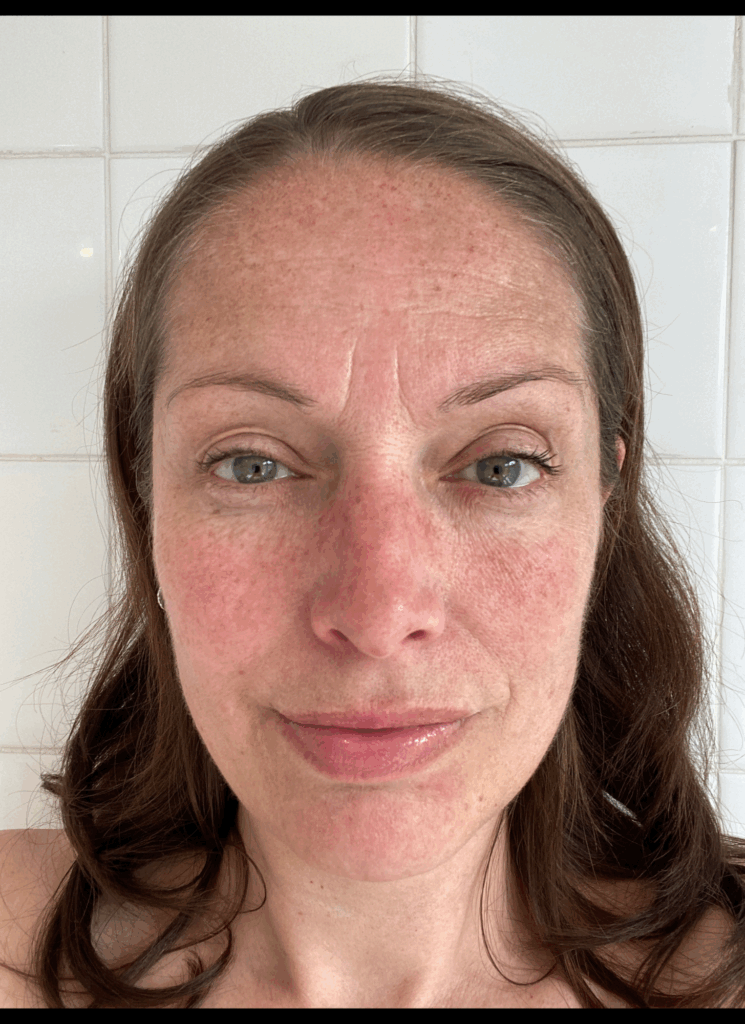
“Pigmentation” and “freckles” are both related to melanin, the pigment responsible for skin, hair, and eye color. However, they are different in cause, appearance, and treatment.
What is Pigmentation?
This refers to discoloration or uneven skin tone due to increased or decreased melanin. It can appear as dark spots, patches, or even lighter areas.
What are the Types of Pigmentation?
Hyperpigmentation – Darkened areas of skin.
Causes: Sun exposure, hormonal changes (melasma), acne scars, inflammation, injuries, or certain medications.
Hypopigmentation – Lightened patches of skin.
Causes: Vitiligo, albinism, skin damage, or infection.
What are the Common Pigmentation Conditions?
Melasma – Brown or gray-brown patches, often due to hormones.
Post-inflammatory hyperpigmentation (PIH) – After acne or skin injury.
Sunspots (solar lentigines) – Age-related, from sun exposure.
What are Freckles (Ephelides)?
Freckles are small, flat, light brown spots that are genetic and become more noticeable with sun exposure.
Characteristics:
Appear mostly on the face, shoulders, arms.
Common in people with lighter skin tones.
Often fade in winter and darken in summer.
Harmless and not a sign of skin disease.
Difference from Sunspots:
Freckles: Appear in youth, fade with age.
Sunspots: Develop with age and persistent sun exposure, do not fade seasonally.