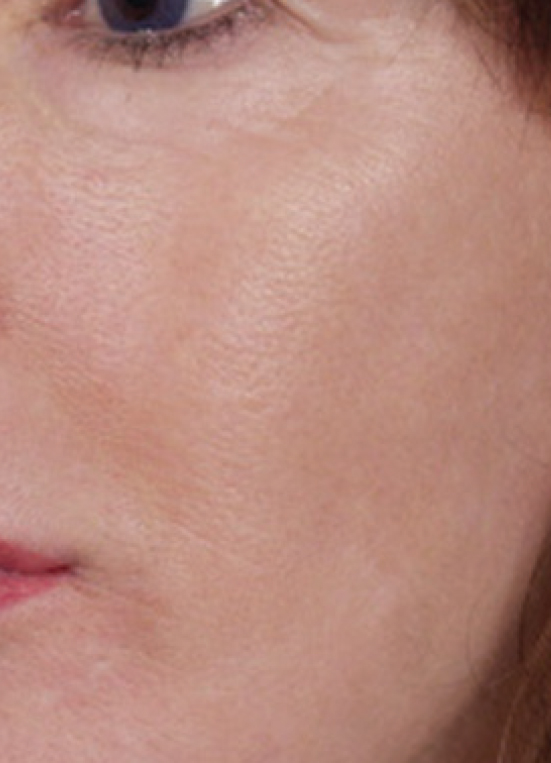
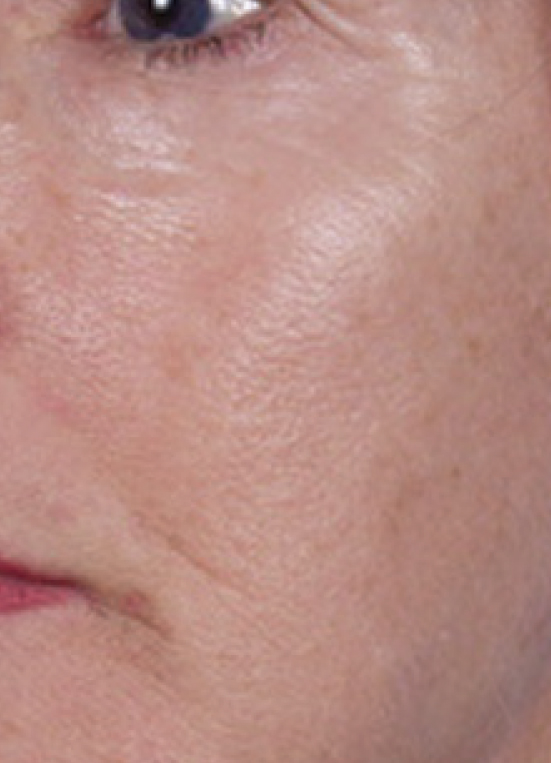
Micro and Nano Laser Peel, Minimum down time.

MicroLaser Peel and NanoLaser Peel are both skin resurfacing treatments that use fractional laser technology to improve skin texture, tone, and appearance. They are typically performed using a Sciton laser platform and are designed to treat a variety of skin concerns, including fine lines, wrinkles, sun damage, acne scars, and uneven pigmentation. These treatments are less invasive than deep ablative lasers, offering a balance of effectiveness with minimal downtime.

Here’s a breakdown of each treatment:

MicroLaser Peel (MPL):

What It Is:

  • The MicroLaser Peel (MPL) is an ablative laser treatment that removes the outermost layers of the skin (epidermis) to improve skin texture, clarity, and overall appearance. It’s typically used for superficial skin concerns, such as fine lines, sun damage, and minor textural issues.

How It Works:

  • The MPL uses a scanned, fractionated CO2 or Erbium laser to deliver controlled energy to the skin. The laser’s energy is absorbed by the skin, creating a precise, shallow removal of damaged skin cells.
  • The depth of the peel can be adjusted, allowing the provider to tailor the treatment to individual skin concerns.

What It Treats:

  • Fine lines and wrinkles
  • Sun damage and pigmentation issues
  • Uneven skin tone
  • Minor acne scars
  • Skin texture irregularities

Benefits of the MicroLaser Peel:

  1. Customizable Treatment: The depth of the peel can be adjusted based on the patient’s skin type and the severity of the skin issue. It can be used for light, moderate, or deeper skin resurfacing.
  2. Minimal Downtime: While it’s an ablative treatment, the downtime is generally minimal (around 3-5 days), with skin peeling and redness typically occurring in the days following the treatment.
  3. Improved Texture: Results can include smoother, more even skin with a reduction in fine lines, age spots, and rough skin texture.
  4. Collagen Stimulation: The treatment stimulates collagen production, improving skin tone and texture over time.

Treatment Procedure:

  1. Preparation: A topical numbing cream is applied to the skin for about 30-45 minutes before the procedure to reduce discomfort.
  2. Laser Application: The laser is passed over the skin in controlled layers, removing damaged skin and stimulating the production of new, healthy skin cells.
  3. Duration: The procedure typically lasts around 30-45 minutes depending on the size of the treatment area.

Aftercare:

  • Redness and Swelling: Some redness and swelling may occur immediately after the procedure, similar to a mild sunburn.
  • Peeling: Light peeling or flaking of the skin typically begins within 1-2 days after the treatment and can last for up to 5-7 days.
  • Moisturization and Sunscreen: It’s important to use a gentle moisturizer and high-SPF sunscreen to protect the healing skin and prevent further damage.
  • Avoid Sun Exposure: For the best results and to avoid complications, avoid direct sun exposure until fully healed.

NanoLaser Peel:

What It Is:

  • The NanoLaser Peel is a non-ablative, superficial laser treatment that targets the outermost layer of skin (epidermis). It’s less invasive than the MicroLaser Peel and is designed to treat more surface-level skin concerns, such as mild discoloration, rough texture, and general skin rejuvenation.

How It Works:

  • The NanoLaser Peel uses a fractionated Erbium laser that delivers a precisely controlled beam of light to the skin’s surface. Unlike the MicroLaser Peel, the NanoLaser Peel targets only the outermost layer of skin, making it less aggressive but still effective for surface-level improvements.
  • The treatment is typically gentler and involves less downtime compared to the MicroLaser Peel.

What It Treats:

  • Superficial sun damage
  • Fine lines and wrinkles
  • Rough texture
  • Dull or uneven skin tone
  • Mild pigmentation irregularities
  • Enlarged pores

Benefits of the NanoLaser Peel:

  1. Quick Recovery: With minimal downtime, the NanoLaser Peel is an excellent option for patients looking for a more gentle skin resurfacing treatment.
  2. Improved Skin Appearance: Results can include brightersmoother skin with improved tone and texture.
  3. Non-Ablative Treatment: It’s less invasive than the MicroLaser Peel and generally involves no peeling, just light flaking or redness that resolves within a couple of days.
  4. No Pain: NanoLaser Peel is typically less uncomfortable than deeper laser treatments, with little to no pain during the procedure.

Treatment Procedure:

  1. Preparation: Like with the MicroLaser Peel, the area is numbed with a topical anesthetic to ensure comfort.
  2. Laser Application: The provider uses the Erbium laser to treat the outer layer of the skin, typically targeting the epidermis (surface layer) without penetrating deeper layers.
  3. Duration: NanoLaser Peels are typically quick, taking around 20-30 minutes for facial treatments.

Aftercare:

  • Redness and Sensitivity: Some mild redness and sensitivity can occur immediately following treatment, but it usually resolves quickly within a few hours to 1-2 days.
  • Moisturization: After the procedure, it’s important to keep the skin moisturized to support healing.
  • Sunscreen Protection: Post-treatment, applying sunscreen is critical to protect the newly resurfaced skin and avoid further pigmentation or sun damage.
  • No Peeling: Unlike the MicroLaser Peel, NanoLaser Peel typically does not cause significant peeling, making it a gentler option for those with a busy lifestyle.

Comparison of MicroLaser Peel vs. NanoLaser Peel:

Feature

MicroLaser Peel

NanoLaser Peel

Laser Type

Ablative Erbium or CO2 laser

Non-ablative Erbium laser

Treatment Depth

Penetrates into the epidermis, can reach dermal layer

Targets only the superficial layer (epidermis)

Skin Concerns Treated

Fine lines, wrinkles, sun damage, deeper pigmentation, acne scars

Surface texture, sun damage, fine lines, dullness

Downtime

3-7 days of redness, swelling, and peeling

1-2 days of redness or mild flaking

Collagen Stimulation

Strong collagen remodeling due to deeper penetration

Minimal collagen stimulation (mainly superficial improvements)

Pain/Discomfort

Moderate discomfort, requires numbing cream

Minimal discomfort, well-tolerated

Results

Significant improvements in texture, tone, and deep wrinkles

Subtle to moderate improvements in brightness, texture, and mild wrinkles

Ideal for

Moderate to severe skin concerns like acne scars, deep wrinkles, and pigmentation

Surface-level skin rejuvenation, brightening, and texture improvement

Which Peel Should You Choose?

  • MicroLaser Peel is best for individuals seeking more dramatic results, such as those with significant sun damagedeeper wrinkles, or acne scars. It’s an excellent option for those looking for more intense skin resurfacing and who are willing to tolerate some downtime (3-7 days).
  • NanoLaser Peel is better suited for those looking for a gentler treatment with minimal downtime. It’s ideal for those wanting to improve skin tone, texture, and radiance without the need for extended recovery. If you’re concerned with fine linessun spots, or dull skin, the NanoLaser Peel might be the best option.

Conclusion:

Both the MicroLaser Peel and NanoLaser Peel are effective options for skin resurfacing, but the choice between them depends on your skin concerns and desired results. The MicroLaser Peel provides deeper resurfacing with more significant improvements in texture, wrinkles, and scars, while the NanoLaser Peel offers a gentler, superficial treatment with little downtime. Your provider can help determine the most suitable option based on your specific skin goals and recovery preferences.